
Building Edison’s Lab
Creating the "Edison's Lost Invention" Escape Room Adventure!
Where: Downtown Columbus, Ohio
Project Duration: 18 Months (7-8 Months Design, 11 Months Build)
1. The Genesis & Research Phase
The journey began not with a hammer, but with a deep dive into the archives of history. We wanted to create an experience that blurred the lines between historical fact and supernatural fiction.
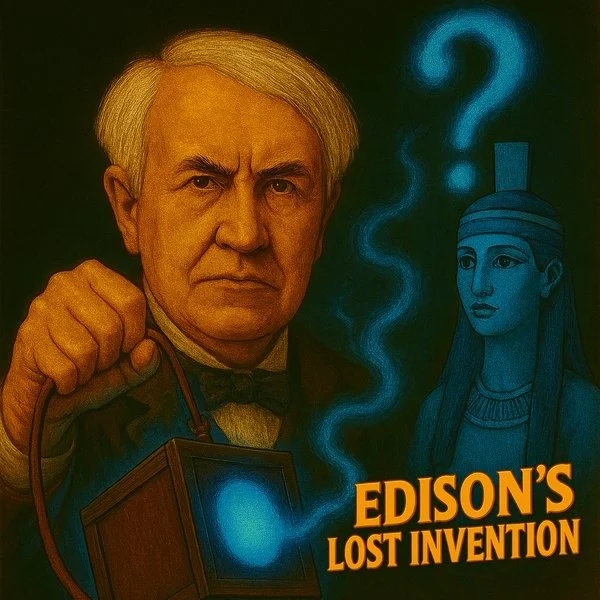
The Edison Hook: Our research into Thomas Edison’s private lab notes revealed a fascinating, lesser-known obsession: his work on a "spirit phone"—a device intended to contact personalities beyond the grave. This became the narrative anchor of our escape room.
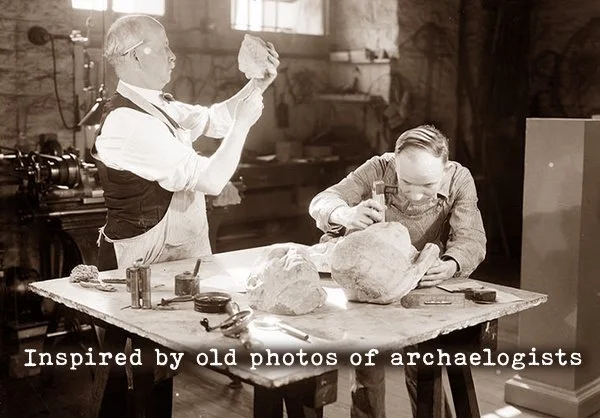
The Egyptian Connection: To weave in an "Indiana Jones" adventure vibe, we researched Egyptologists, archaeologists, and ancient Egyptian beliefs. This provided the mythological stakes for Edison's technological experiments.
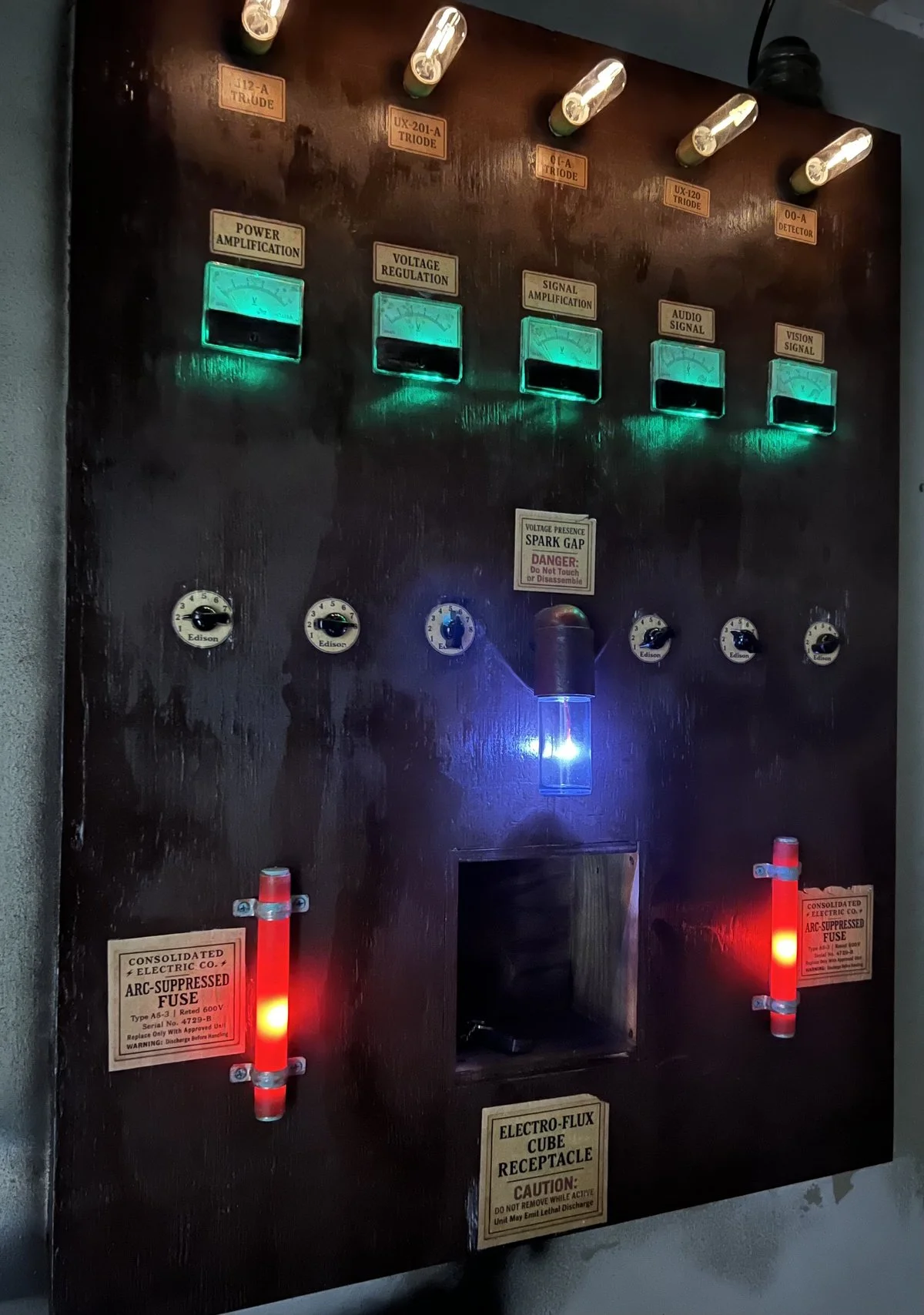
Visual Inspiration: We curated a massive library of reference photos, ranging from actual 1920s laboratory setups to the fantastical "mad scientist" machines of early Hollywood cinema. These served as the blueprint for our custom power board and the central “Machine.”
2. AI-Enhanced World Building
To bring a cinematic level of detail to the room on an indie budget, we leveraged Artificial Intelligence as a creative partner.
Character Development: Our lead Egyptologist and his back-story were fleshed out using AI, ensuring a narrative depth that resonates with players.
Multimedia Integration: AI assisted in generating immersive story scripts, atmospheric audio tracks, and period-accurate imagery and video from our notes. These elements are used throughout the game to guide players through the narrative arc.
3. Design & Puzzle Architecture
While the physical build took 11 months, the mental build began much earlier.
Subconscious Engineering: For 7 to 8 months, we allowed "subconscious thinking" to develop our puzzles and game paths. By letting ideas marinate over time, we were able to move past standard escape room tropes and develop unique tasks that felt organic to a 1920s environment.
Flow & Tasks: We meticulously mapped out how players would task and puzzle through to finding, then interacting with our "spirit machine," ensuring that every toggle switch and prop felt like a necessary step toward Edison’s grand experiment.
4. The Physical Build: From Gutting to Finishing
The transformation of a vacant space in downtown Columbus into a multi-room 1920s adventure was a labor of love (and sweat).
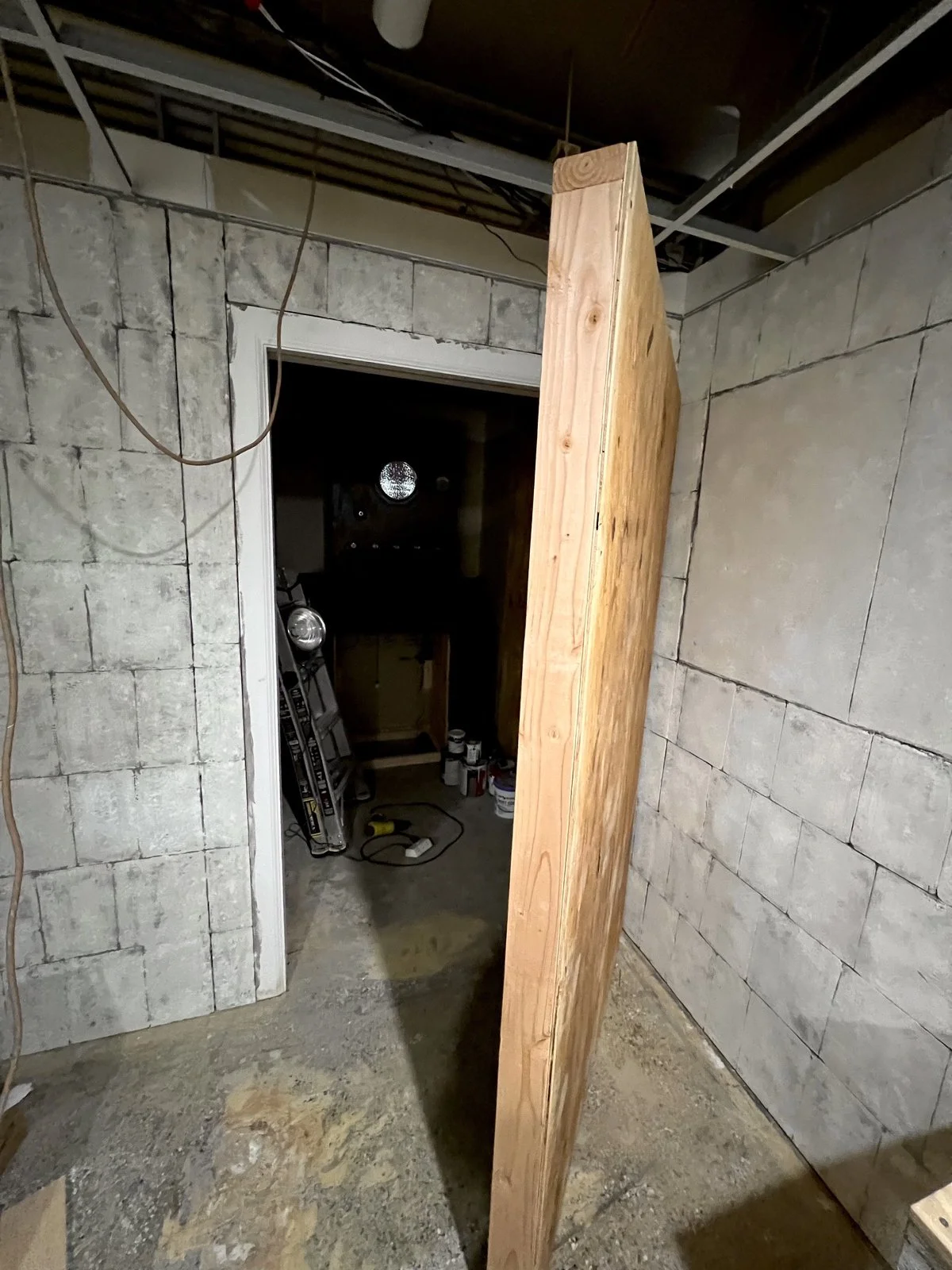
Demolition: We began by gutting the original space to create a mostly blank canvas.
Construction: We built new walls and doors to define the four distinct game areas. To create a sense of scale and space, we raised the ceilings in two of the four rooms. Using what we were given, we sought to use every part of the space. This allowed us to create a couple of unplanned, additional surprises!
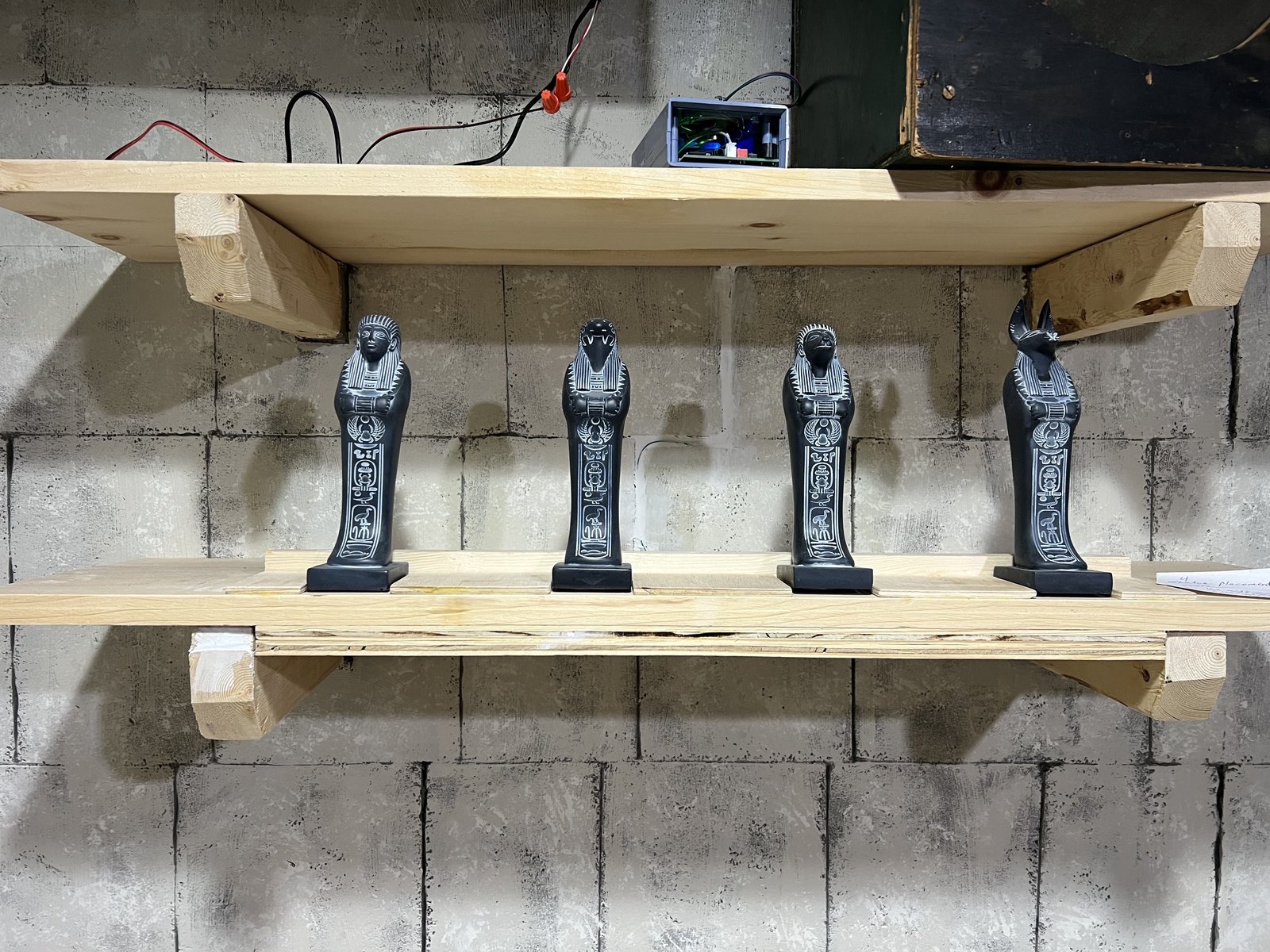
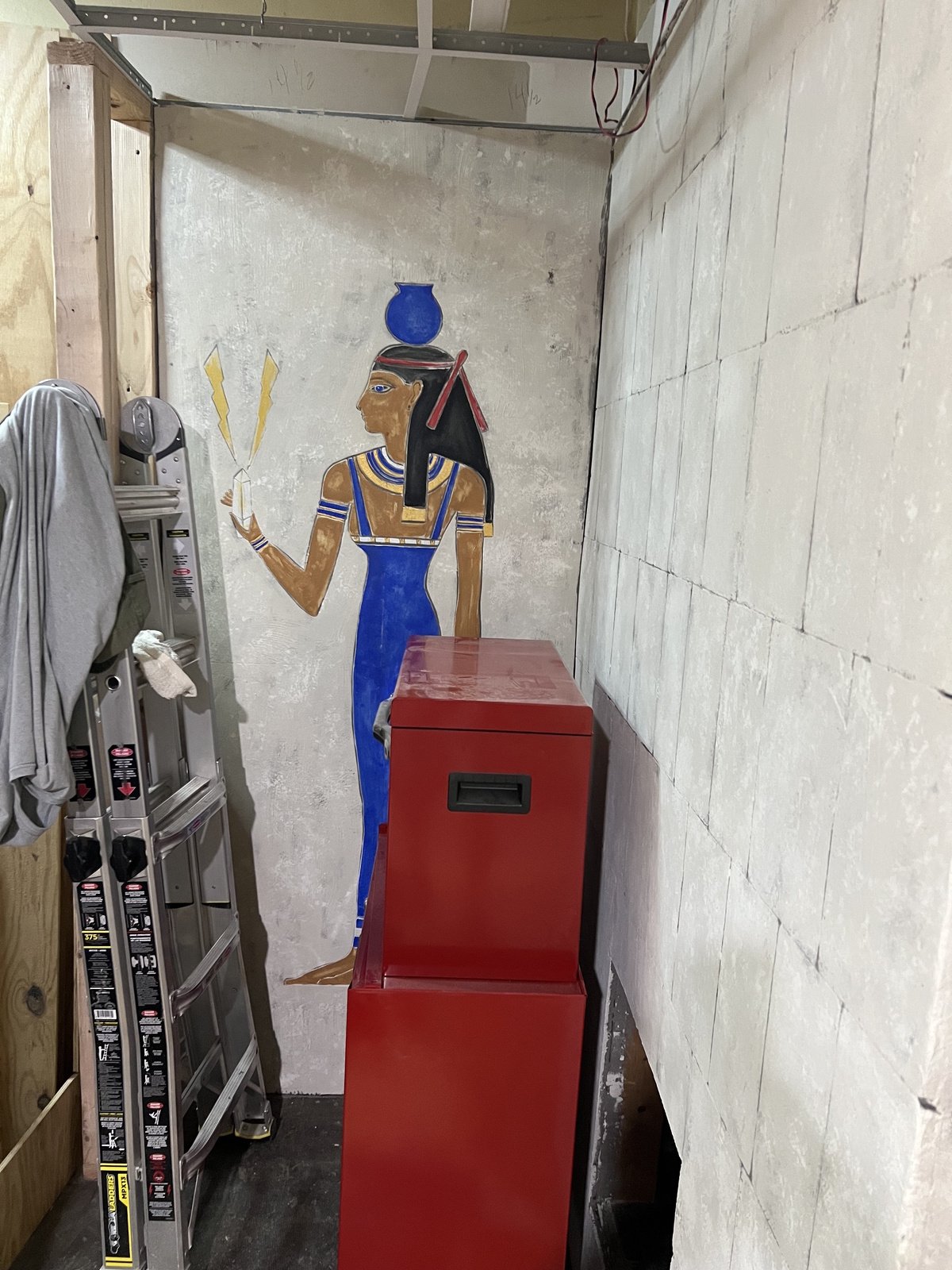
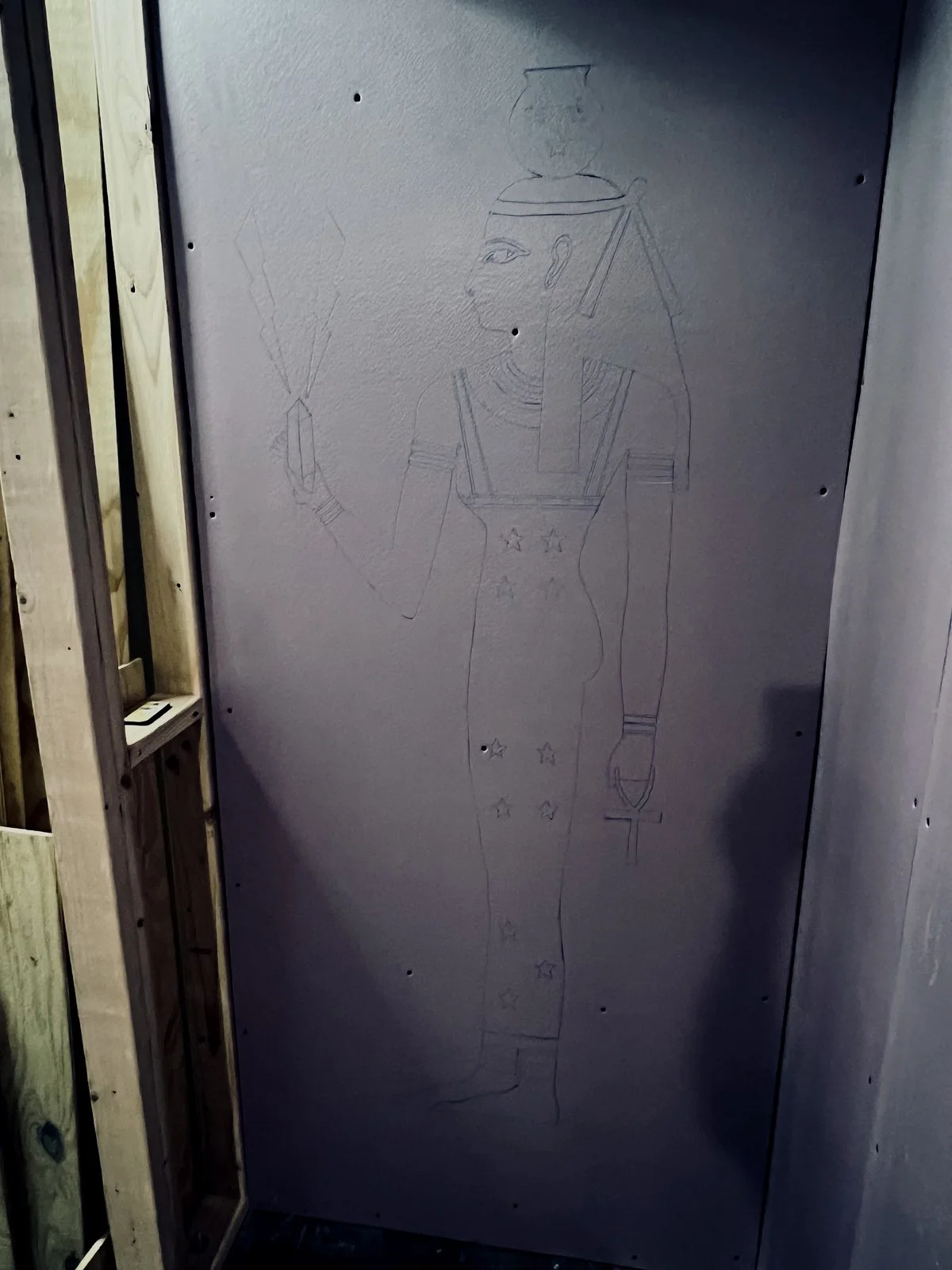
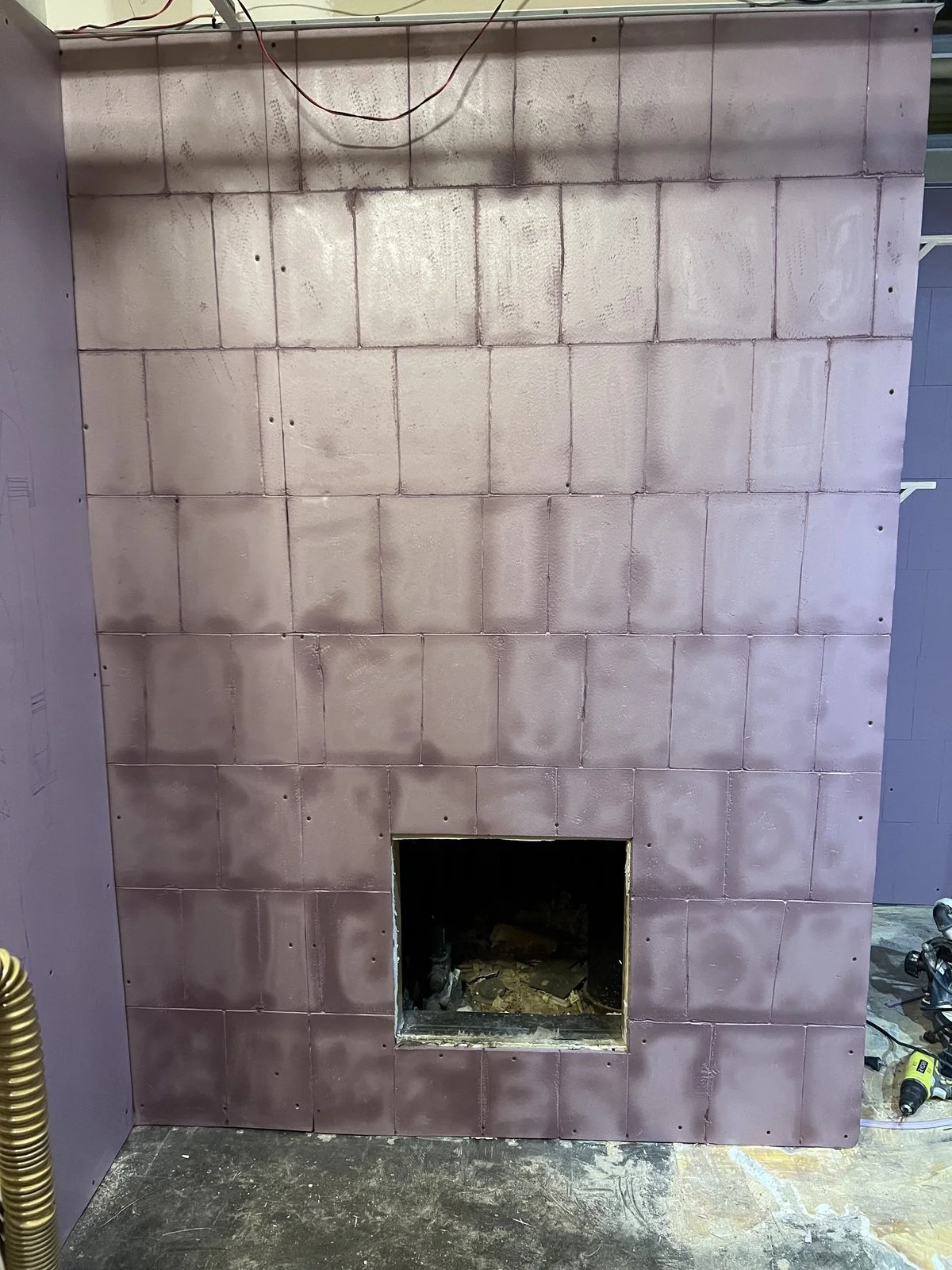
The Egyptian Theme: We used EPS foam board to hand-carve massive Egyptian blocks and two custom reliefs of our goddess, "Nenet." To ensure durability, the foam was heat-strengthened, "monster-mudded," and finished with a multi-layered paint process to achieve an ancient, weathered stone effect.
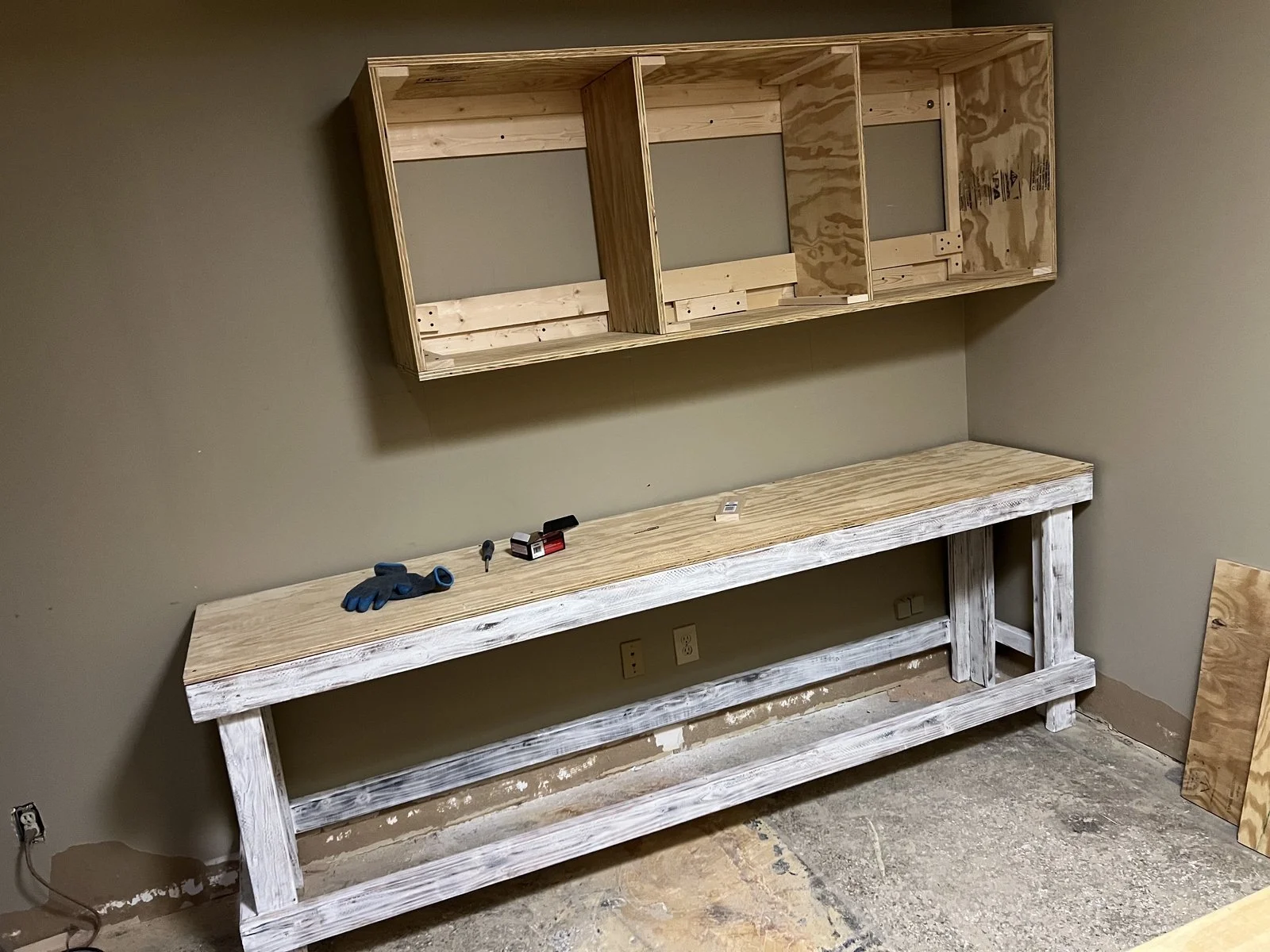
Lab Benches: Built by hand and flame-treated to bring out the wood grain, then finished with sanded-back ceiling paint for a century-old aesthetic.
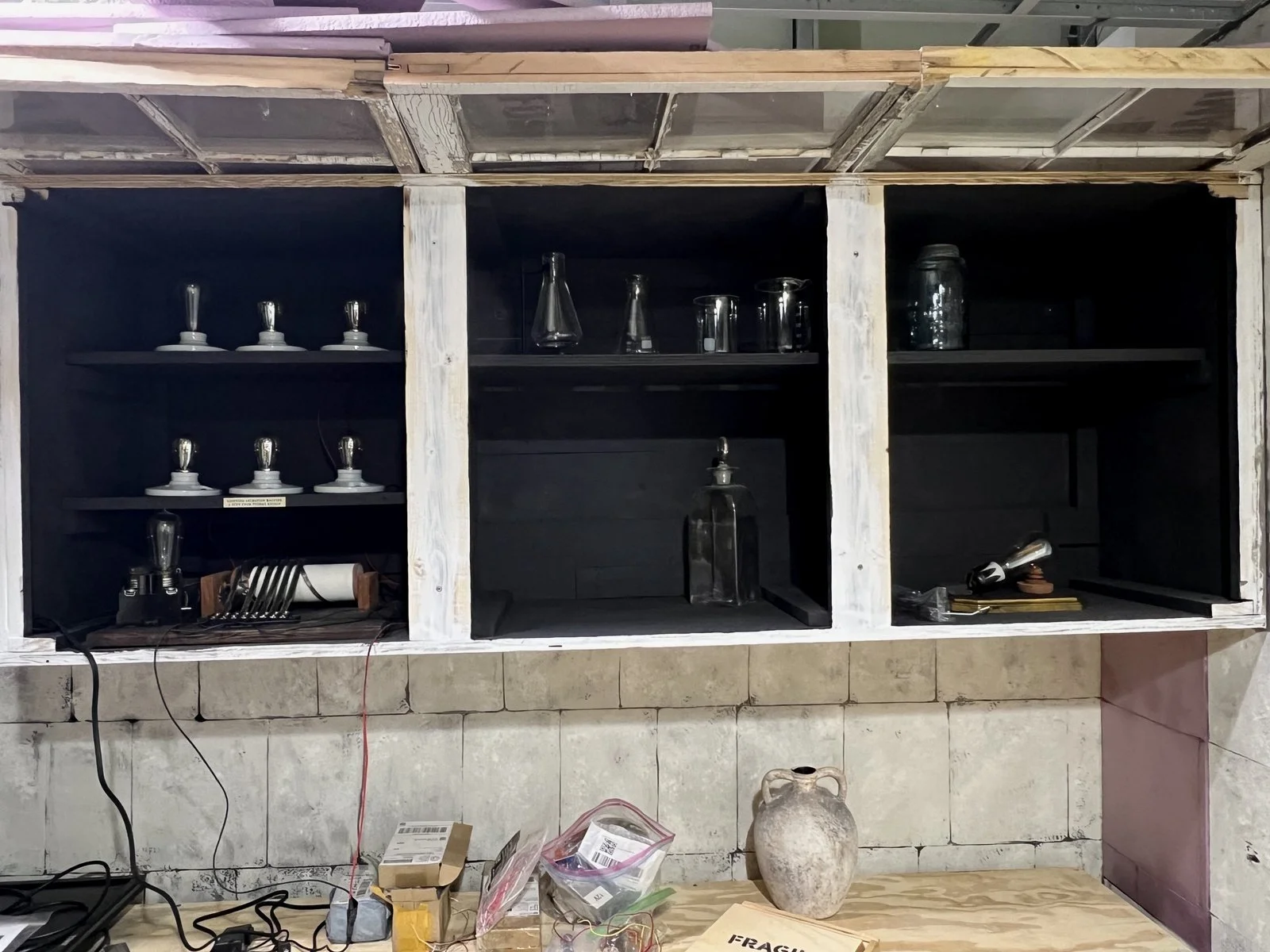
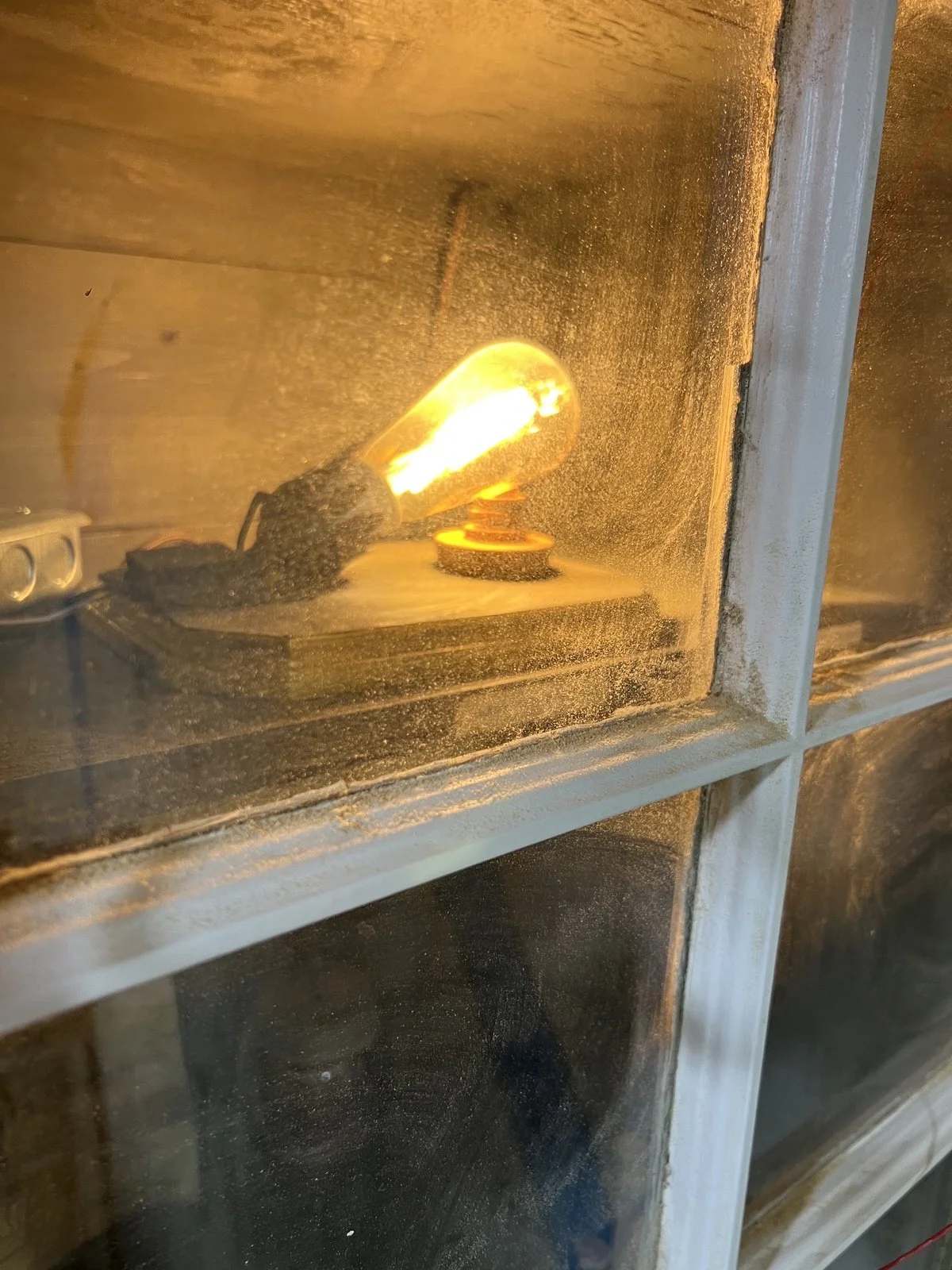
Cabinetry: We salvaged windows from an actual 1920s home to serve as cabinet doors, producing an authentic "bygone era feel."
The Ceiling: Modern drop-ceiling tiles were replaced with tiles designed to look like metal roofing, which we hand-sprayed with three different colors to simulate rusted, industrial iron.
Era-Inspired Props: If we didn’t build it by hand, we sourced antiques from local stores and online retail shops. We are never satisfied unless items in our games can exist within the time-era of the worlds we build.
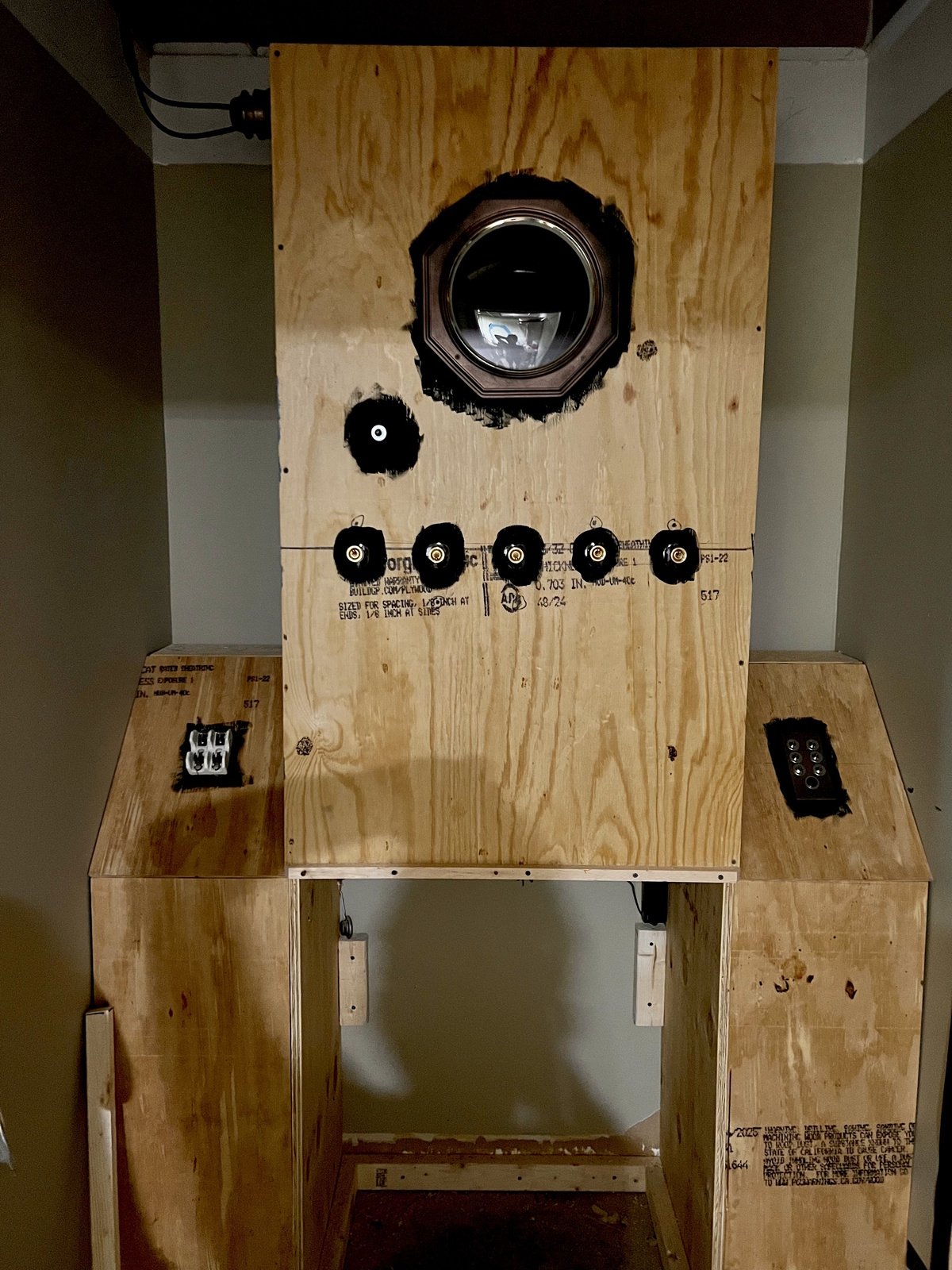
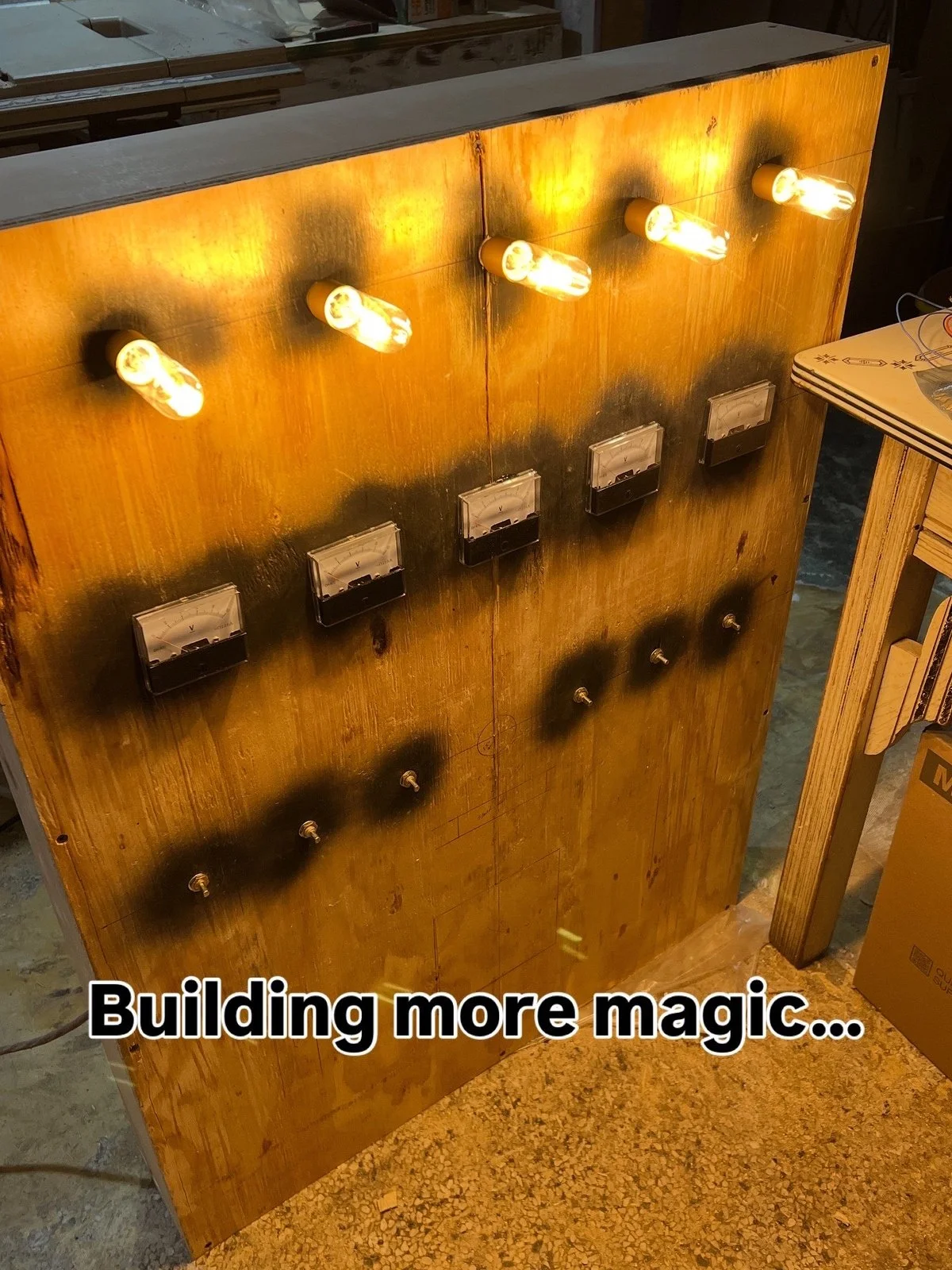
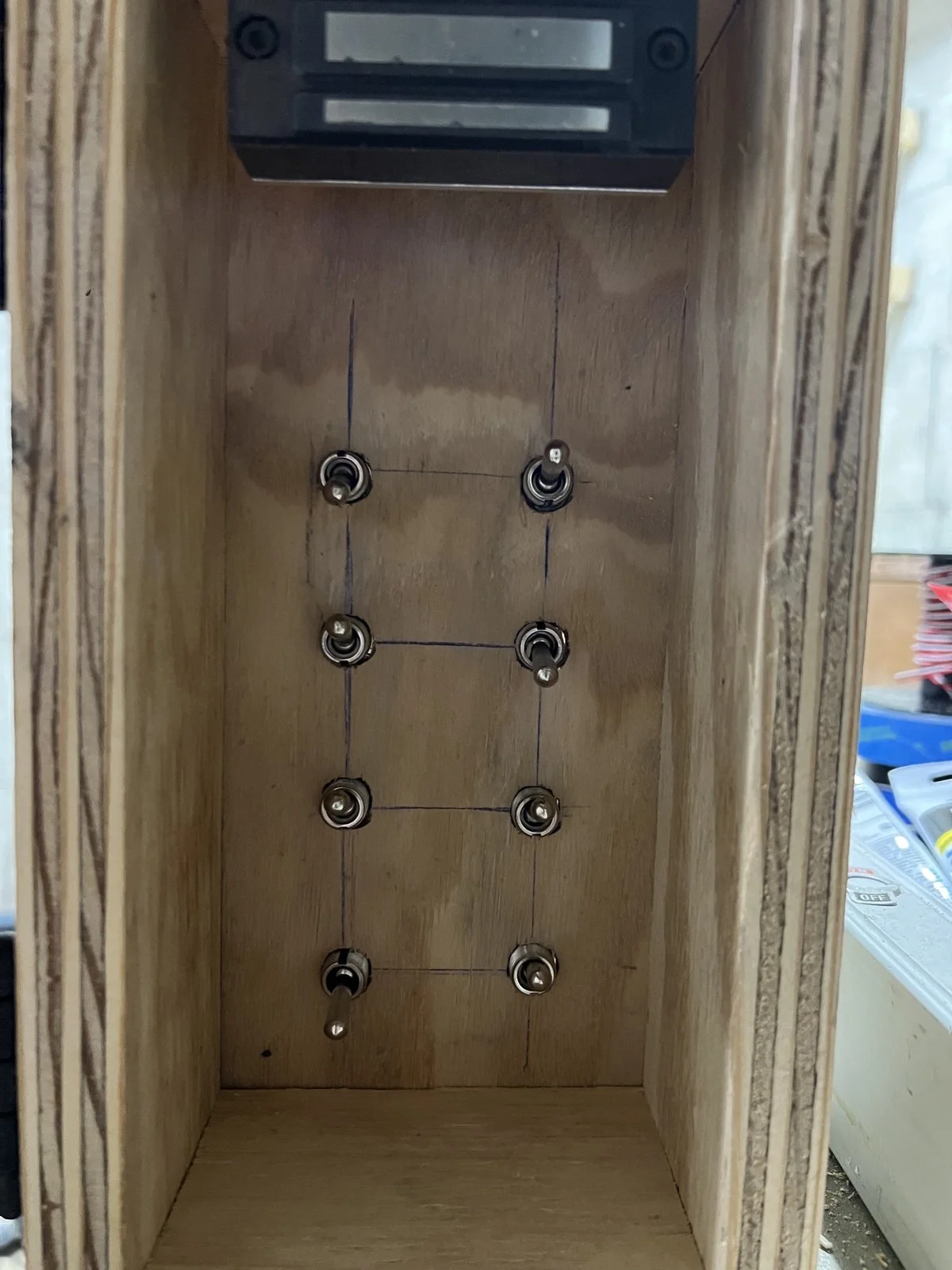
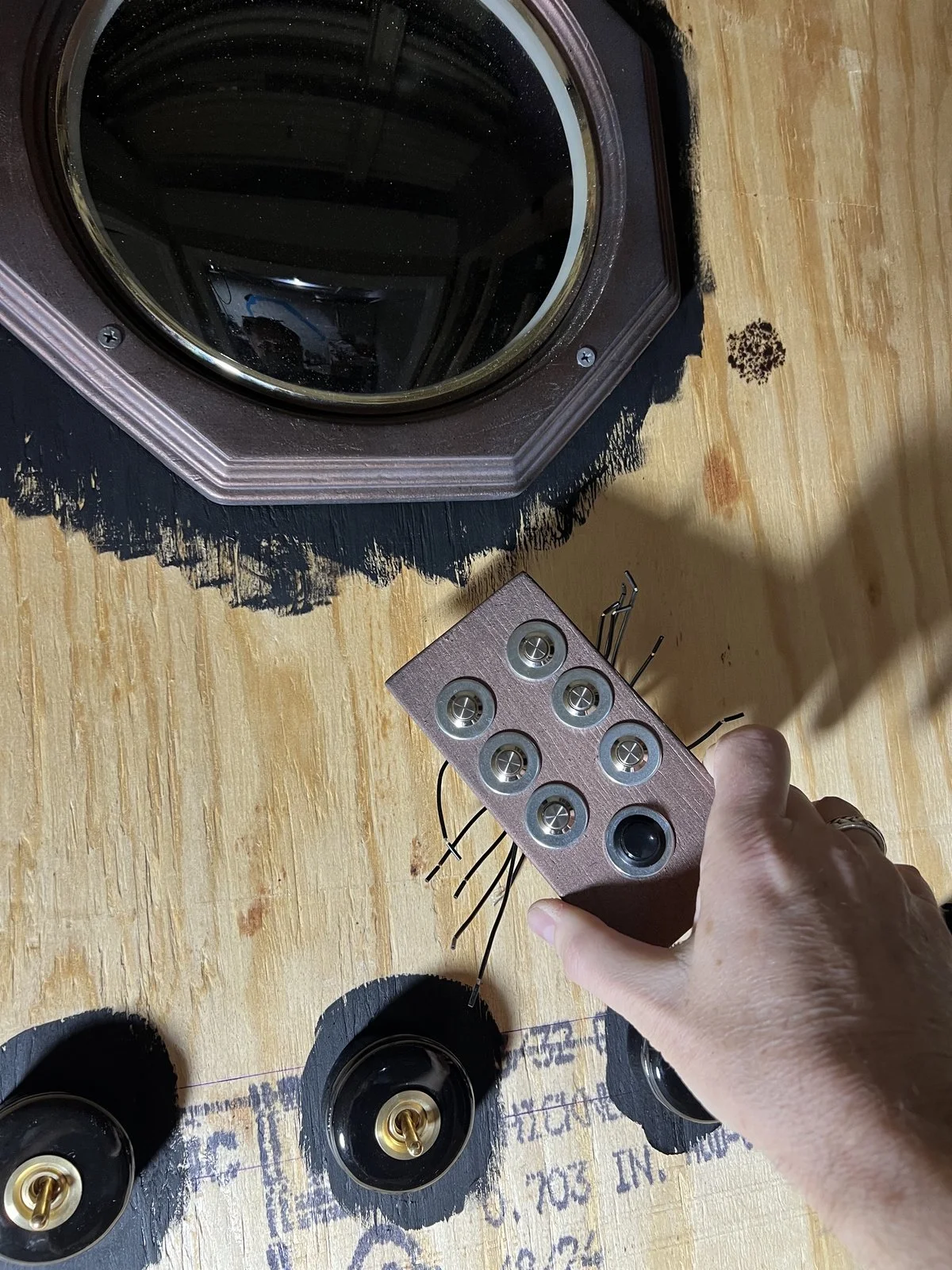
The Machine: The centerpiece machine and power board were constructed from 3/4" plywood, built to withstand the rigors of daily player interaction.
Electronics: The room is a "high-tech/low-visibility" hybrid. We wired nearly 20 interactive items, including custom controllers, puzzles, and hidden props (not including the cameras and audio monitoring system).
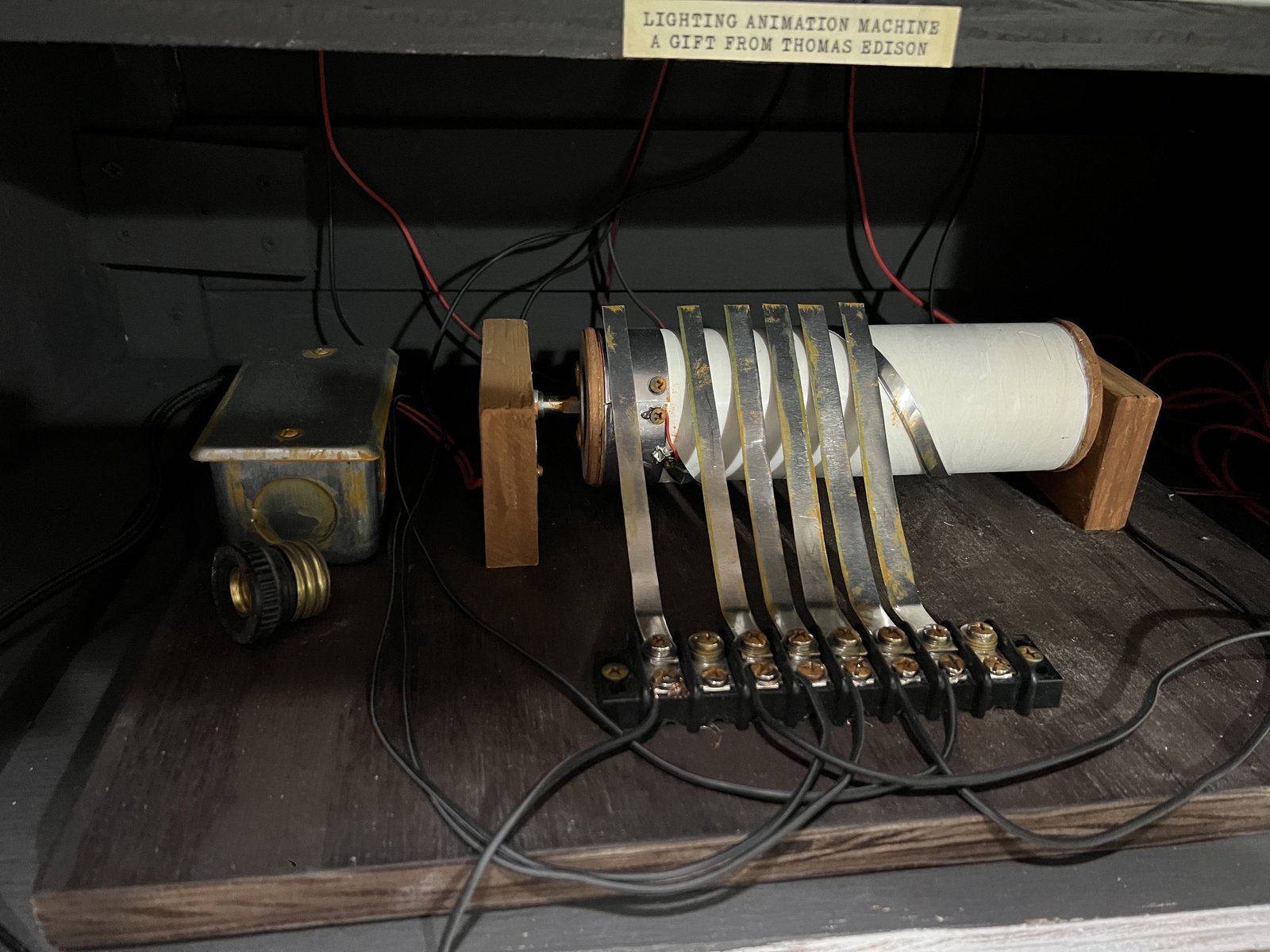
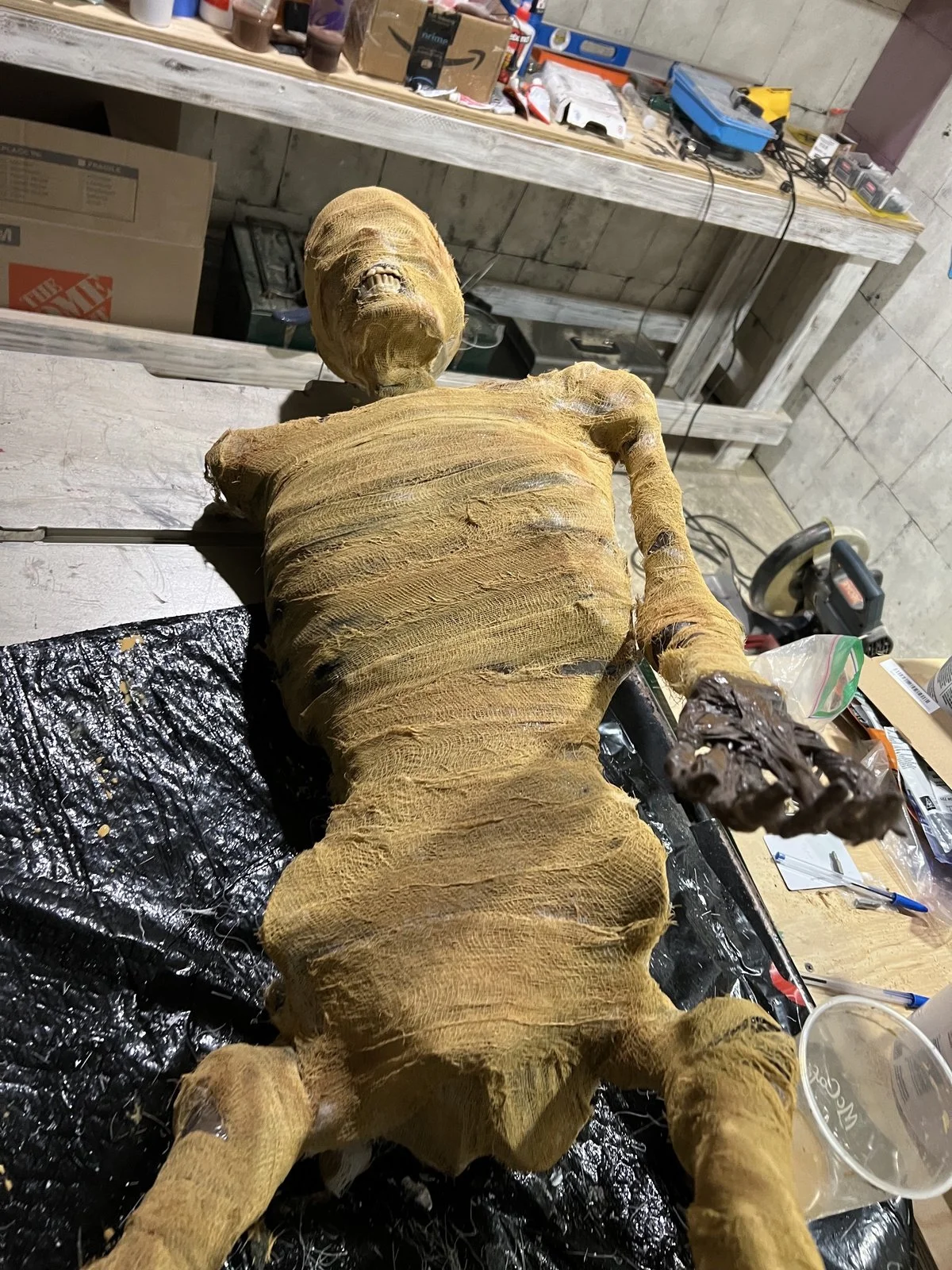
Unique Props: Notable custom creations include a realistic linen-wrapped mummy, a replica of the Dendera light, a power source resembling the Baghdad battery, and a motor-driven, Diwali-inspired blinking light machine housed within the cabinets.
5. The Final Experience
Our goal was to create an escape room set that felt like a time machine. When players step into the lab of "Edison's Lost Invention," they aren't just solving a puzzle; they are walking into a 1920s period piece. With authentic-feeling materials and props, combined with modern technology, we feel we have created a one-of-a-kind, immersive adventure where the story unfolds as you explore!